Keep Your Planter Running Strong: A Guide for Ohio Farmers
Ohio's sticky clay soil is tough on planters. Worn-out parts mean uneven seed depth, patchy fields, and lost bushels at harvest. This guide shows you what to check, when to replace parts, and how to get better stands.
Quick Take
- Clay soil needs tighter maintenance than sandy soil
- Replace worn parts before planting season starts
- Sharp blades and good closing wheels = better stands
- Small problems become big yield losses in heavy soil
- Downforce management is critical in heavy clay conditions
Understanding Ohio's Soil Challenge
Why Our Soil is Different
Western and southern Ohio have heavy clay and silty clay loam soils. According to the Ohio Department of Agriculture, the Miamian series (Ohio's state soil) covers over 750,000 acres and holds moisture really well, which sounds great until you're trying to plant.
The Problem
These soils dry out slowly after rain, compact easily, and create narrow planting windows. When you finally get in the field, your planter needs to work perfectly because you don't get second chances.
What This Means:
- Closing wheels must break up sidewall compaction
- Gauge wheels need to hold exact depth under heavy downforce
- Every worn part affects how seeds germinate
Parts That Wear Out Fast (And Why They Matter)
1. Seed Meters: Getting One Seed at a Time
Finger Meters (like Precision Planting):
- Better for bumpy, compacted fields
- Prevent seed bounce and double planting
- Work well in humid Ohio conditions
2. Parallel Arms and Gauge Wheels: The Depth Controllers
Think of these as your planter's steering wheel for seed depth. When they wear out, your seed depth goes all over the place.
Signs They're Worn:
- You can wiggle the row unit side to side
- Depth varies across the field
- Seeds planted too shallow or too deep
Best Fix: GBGI bushing-style parallel arms last longer and maintain tight alignment under high downforce.
Replace When: Any visible play or wobble. In wet conditions, check annually.
3. Disc Opener Blades: Cut a Clean Path
Even though clay isn't as rough as sand, dull blades make a huge difference.
The Business Card Test:
- Put a business card between your disc blades
- Blades should contact roughly 1–2 inches depending on blade thickness (~3.5mm)
- Replace at approximately 0.5" wear from new (measurement-based, not just diameter)
4. Closing Wheels: Your #1 Defense Against Bad Stands
This is where most Ohio planters struggle. Regular rubber closing wheels just don't work in clay—they leave air pockets and compact the sidewalls.
Better Options for Clay Soil:
Spiked Wheels
- Break up sidewall compaction
- Good for medium-moisture conditions
Cast Twister Wheels
- Handle wet, sticky soil
- Keep working when rubber wheels clog up
- Best for tough spring conditions
- Best for no-till conditions (18 lb closing wheels)
Poly Wheels
- Shed sticky clay
- Stay clean when rubber wheels pack up
- Good for mixed conditions
5. Seed Firmers: Press Seeds Into Place
Keeton Seed Firmers push the seed against the bottom of the trench, not the sidewall. This is critical in clay soil.
Benefits:
- Research from Precision Planting shows 3–4 bushels per acre gain in corn
- Helps prevent air gaps that delay germination
- LS models don't clog with sticky clay
- Works best when paired with good closing wheels
6. Drive Chains and Sprockets: Keep Everything Moving
Ohio's wet springs cause chain rust fast.
Maintenance Tips:
- Use chain lube regularly to prevent rust and binding
- Check weekly during planting for tight links
- Replace open bearings with sealed bearings
- Moisture kills chains faster than wear
Your Pre-Season Checklist
Summer (After Planting)
- Pressure wash all clay off row units
- Check seals for moisture damage
- Remove seed discs to prevent brush or seal deformation
- Inspect parallel arms—order GBGI replacements if loose
- Test all bearings—should spin smoothly
- Replace opener blades based on wear
- Check gauge wheel arms for wear
- Inspect seed tube guards and depth linkages
- Set closing wheel downforce for clay conditions
Weekly During Planting
- Watch population monitor for meter problems
- Adjust closing wheel pressure as soil dries
- Dig up seeds to check for air pockets or sidewall issues
- Lube chains and check for rust
The Three Upgrades That Matter Most
If you're going to invest in better parts, focus on these:
- GBGI parallel arms and gauge wheels - Accurate depth control
- Premium closing wheel systems - Stop sidewall compaction
- GBGI Seed firmers and sharp openers - Better emergence
Clay soil doesn't forgive mistakes. But with the right parts and regular maintenance, you can plant on time, get even stands, and protect your yield.
Where to Get Quality Parts
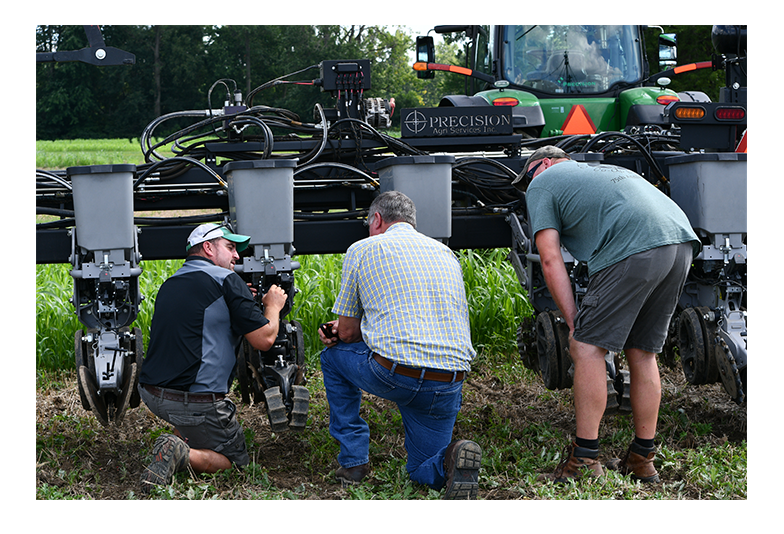
Precision Agri Services Inc specializes in planter upgrades for Ohio's clay soils:
- GBGI parallel arms and gauge wheels (DuraWear options available)
- Closing wheel systems
- On-site installation and inspection
Bottom Line
Ohio's clay soil demands tight mechanical precision. You've got narrow planting windows and no room for error. Spending money on quality wear parts before the season pays off in even stands, better emergence, and more bushels in the bin.
Don't wait until you're stuck in the field to discover worn parts. Check everything now, replace what's needed, and plant with confidence.
Ready to upgrade your planter?
Contact Precision Agri Services Inc to schedule your inspection or order parts for next season.